

Product designers are being left behind by a new development rhythm, and many people have not fully realized it yet.
Recently, YouMind went through a pretty fundamental shift in how we build. We started practicing a model where each module moves forward independently, with a few engineers owning it directly, instead of waiting for design files to be fully aligned before anything can move.
The result is that more modules can move at the same time, but quality and direction have also become harder to control. The role of the designer has become more passive. You want to keep up, but your original way of producing work is naturally one step slower than engineers who are now empowered by AI.
Instead of waiting to be left behind, it is worth asking how this role can move faster. These are some of my recent thoughts.
Where we are now
The design process is not dead. It has moved upstream
In my view, the traditional design process is not dead. What has changed is that the part designers used to spend most of their time on, drawing screens, polishing visuals, and communicating handoff details, has been compressed by 90 percent in the AI era.
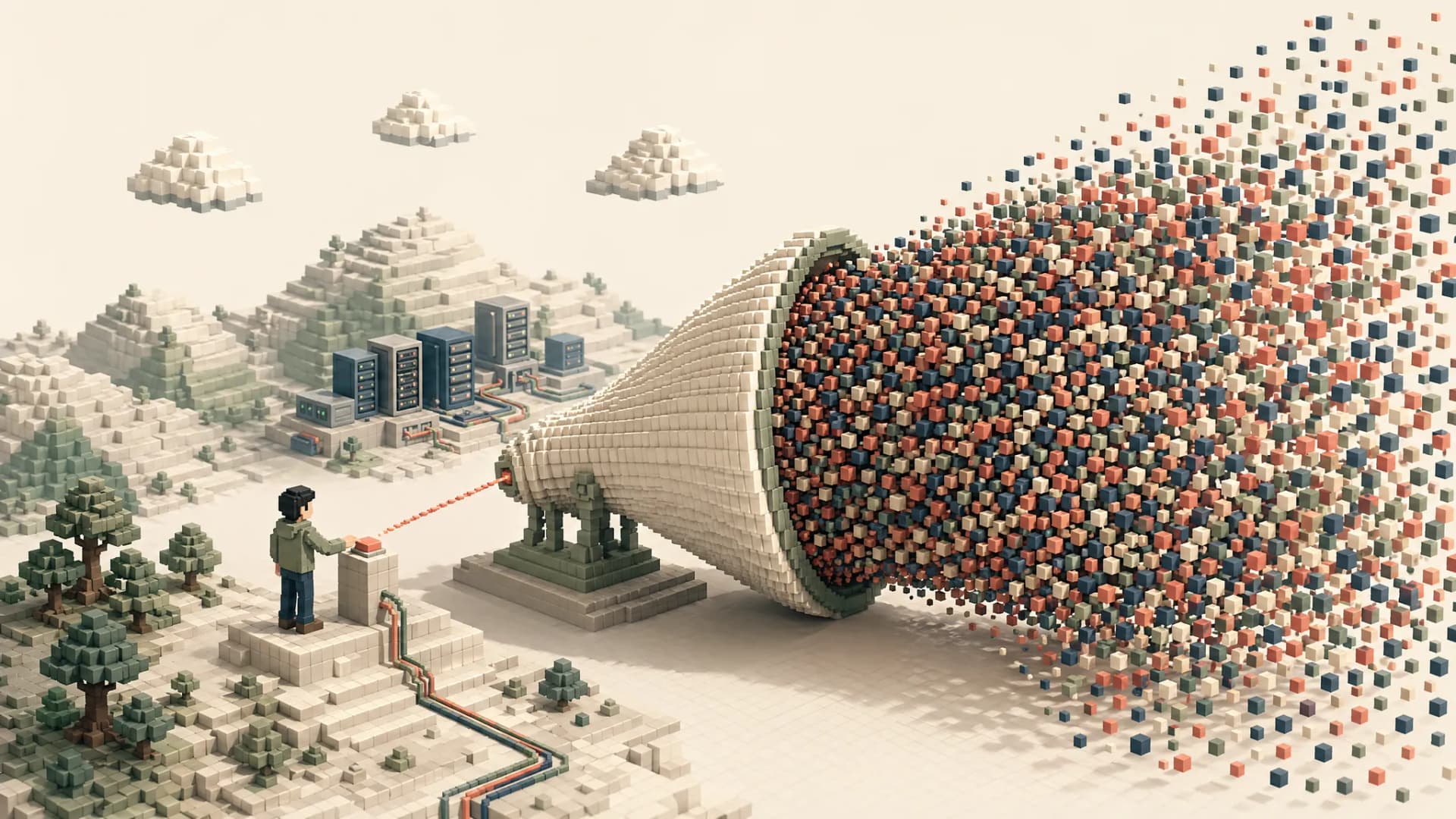
The real center of gravity for designers has moved from execution to judgment.
There is less time left for drawing, but more time left for judgment, if you are able to handle it. So rather than saying designers are being eliminated, I would say the role is being pushed upstream. Either you move upstream with it, or you stay where you are and gradually lose relevance.
What designers themselves will become
The identity of the designer is being redefined
For designers, I think the future will move in two directions.
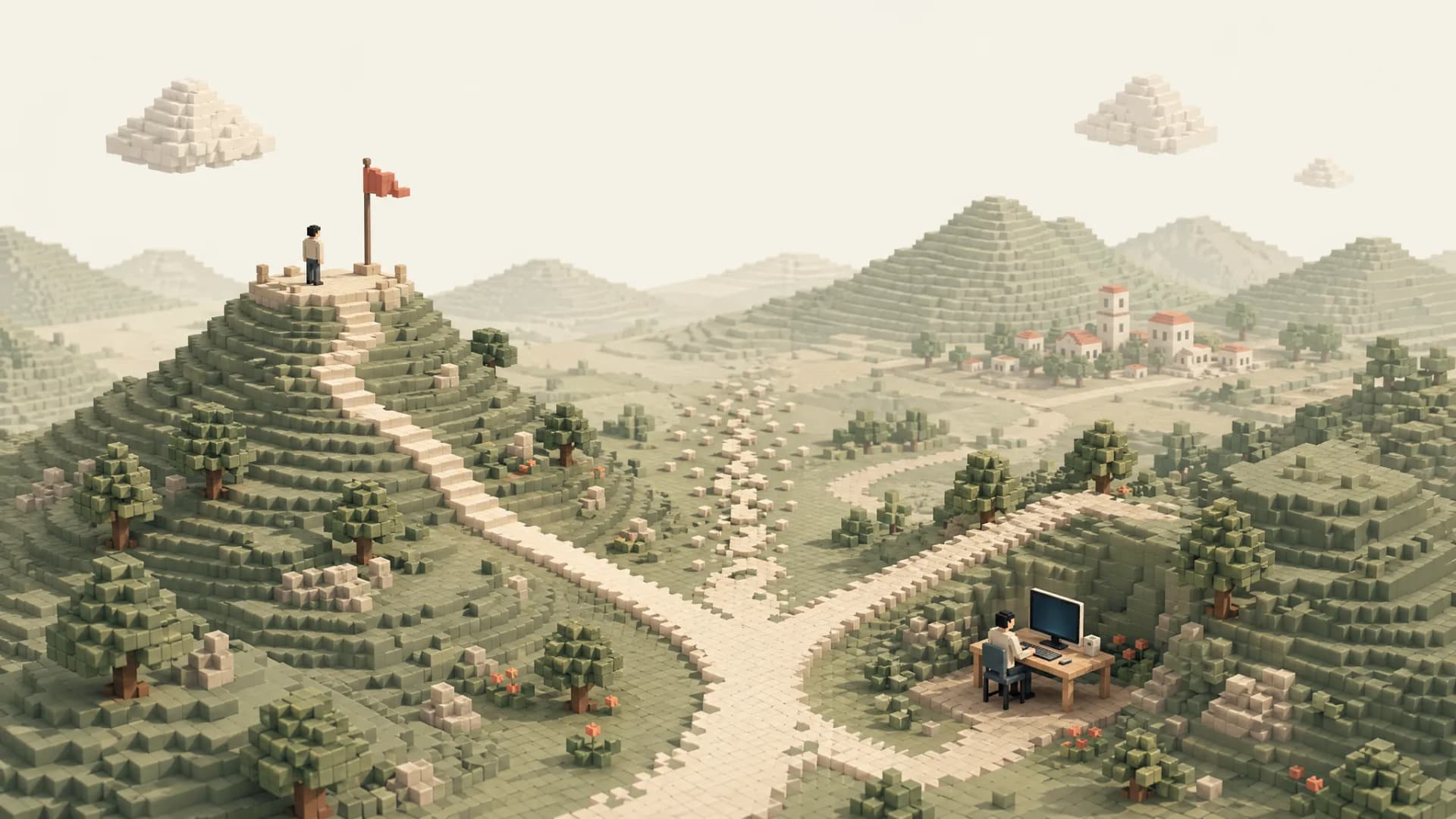
One type is the Design Engineer, a designer who can participate directly in product and engineering iteration through AI coding. Code becomes their design file. Between this person and engineers, there is almost no longer a clear concept of handoff.
The other type is the Design Strategist, a role closer to an architect. This person focuses on product direction, the personality and tone of AI models, and the final layer of quality control. They may not draw every screen by hand, but they decide what is worth building, what it should become, and when it is ready to ship.
The group that gets squeezed out is the group that only draws wireframes, only annotates UI, and does not engage with systems or models. This group still exists, but there is not much time left for them.
Four traits that will become truly scarce in the AI era
Looking forward, I think several types of designers will become especially valuable.
- People with extremely strong learning ability, who are smart, can absorb new information quickly, and can produce quickly.
- People with strong aesthetic standards, who care about quality and can keep pushing quality forward.
- People who can stay focused. The AI era creates endless temptations. Everyone wants to try everything. But the more chaotic things become, the more important it is to be able to sit down and do one thing well.
- People with high judgment bandwidth. AI can generate infinitely fast, but human judgment bandwidth is limited. Whoever can keep making high quality decisions without burning out will go much further in the human in the loop process.
AI does not have a point of view, but it will lower the passing line
After talking about traits, it is worth talking about the designer’s moat.
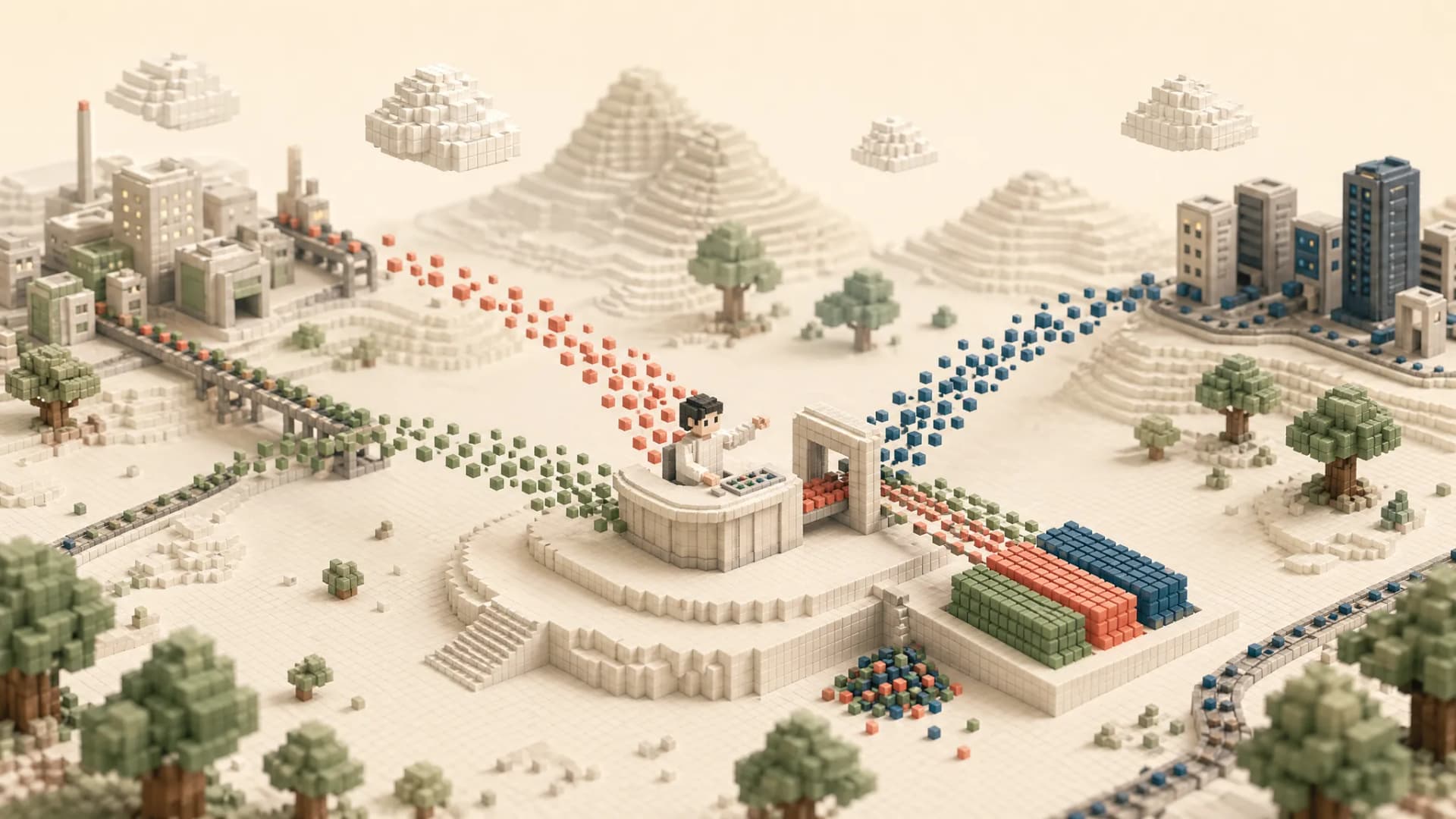
What AI has not replaced so far is not just beauty. More precisely, it is point of view. AI is derivative. It remixes training data. It can become more and more visually polished, and tools like Nano Banana and GPT Image are already proving that. But it does not have its own worldview.
So the next layer designers should deepen has two parts. One is taste, knowing what is good and what is not good. That will still matter in the short term. The other is point of view, knowing why I choose this and not that. That will matter for a long time.
But on the other side, AI’s rapid progress in visual quality brings another risk that is not immediately obvious. It will make “good enough” design spread everywhere. In the past, if a company wanted to create a usable product interface, it at least needed someone who knew how to design UI and use Figma.
Now an engineer can use Claude Design or Stitch and generate something that looks acceptable in half an hour. The real danger is not that AI replaces great designers. The real danger is that it lowers the passing line for the entire industry. The distance between “good enough” and “actually good” keeps getting compressed by AI, which makes people with real craft harder to recognize.
In this environment, beauty and point of view will become more valuable, but only if you can make others see the difference. Designers in this stage not only need to make good work, but also need to explain why their work is different from AI’s default output. Translating the difference in quality into language other people can understand has itself become a new ability.
How to run with teams and Agents
Running at the engineer’s pace is more reliable than asking engineers to wait for you
In the AI era, trust in team collaboration needs to be rebuilt because the carrier of trust has changed. In the past, we trusted people. Is this person reliable? Can this person get things done?
Now we trust contracts. Is this design.md clear enough? Can this spec be understood by an Agent?
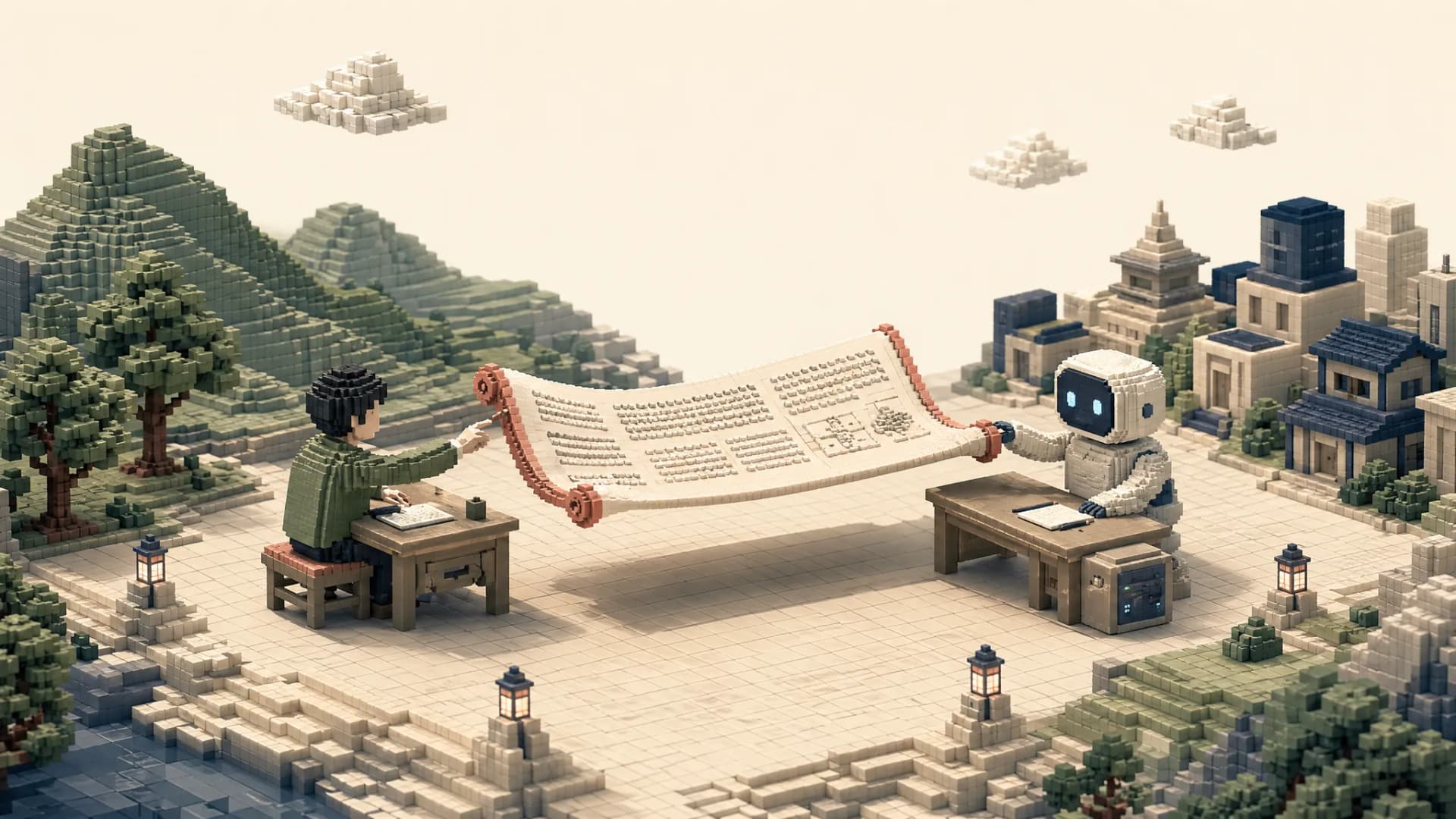
In this new collaboration model, AI amplifies the ability of solo players, but it also makes solo players more likely to drift away from the group. A wolf that loses the pack will eventually lose its fighting power. So designers need to be able to work independently, but also learn how to use the power of the team. Today, that team power is carried by contract files written for both humans and Agents.
For designers, the most direct way to rebuild trust is not to ask engineers to “wait for design.” It is to enter the engineer’s rhythm yourself. Through vibe coding, designers need to make their speed, rhythm, and fidelity match the pace of engineering.
Inside YouMind’s engineering team, this is already very common. Claude Code moves so fast that PMs and engineers may already be iterating on version three, while the designer is still sitting on version one of a high fidelity mockup. In that situation, trust is not built through meetings. It is built by whether you can keep showing up in the same rhythm.
I strongly agree with something Jordan Singer, who previously worked on product design at Figma, once said. Designers are seen as optional in this moment not because AI has replaced design, but because engineers are moving too fast and no longer have the chance to stop and listen to designers.
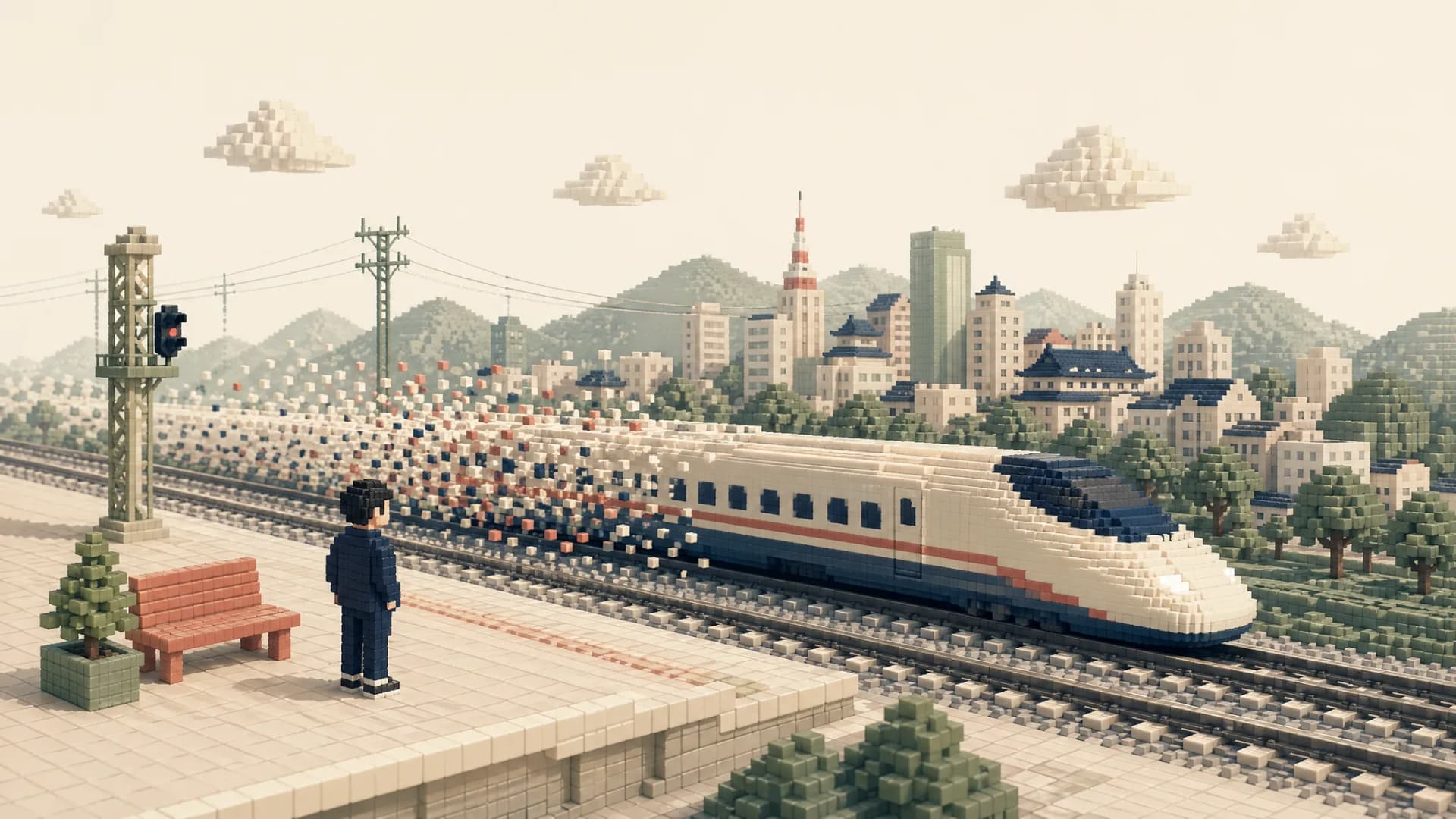
The real problem designers need to solve is not whether they will be replaced by AI. It is how to get into the same car as engineers, instead of being left behind at the station.

What we design for has expanded from users to Agents
Keeping up with the rhythm is only the first step. Going one step further, we need to realize that the object of design itself is changing.
In the AI era, I actually think documentation becomes more important, but its role has changed. It is no longer just a handoff artifact. It is the interface layer for collaboration. It is the only reliable interface between you, your team, and Agents.
This does not mean we need to write long documents to explain every product detail. It means we need to have very clear structural thinking and express it clearly. A good document is one where, after deleting 70 percent of the words, the remaining 30 percent still allows anyone to continue the work. Human teammates can fill in the gaps, and Agents can too. Whether that 30 percent is written by you or by AI does not really matter. The core is that the logic is clear and easy to understand.
Going further, the object of design is expanding from users to Agents. Beyond UX, there is now AX, Agent Experience. Can your interface be understood by an Agent? Can your documentation be called by an Agent? Can your API be composed by an Agent?
This is a completely new design capability. In the past, we were only responsible for humans. Now we are responsible for both humans and Agents. design.md is essentially the first contract of AX.
Bringing it down to practice
Since this article is about speed, here are a few things I think are worth advocating for if we want to move faster while still pursuing quality.
- Treat design.md as the new collaboration foundation. Build processes and standards that fit the AI era. Use files like design.md to constrain Agents, and gradually expand the old model of “communicating with people” into a new model of “collaborating with Agents.” I think this topic deserves its own article, because it is the foundation for everything else. Without it, none of the later actions can connect.
- The deliverable should move from UI to documents plus code. Documentation carries the logic, and it is also written for Agents. Code becomes the interactive form that designers can implement locally. If designers can fine tune something faster themselves, then engineers can choose to reproduce that implementation. But this depends on the scenario. When interaction is uncertain, code is useful. For visual systems and design systems that need long term consistency, Figma plus documentation is still the better deliverable.
- The time saved should go back into communication. The speed of the AI era does not mean we can be lazy, and it does not simply mean we should produce more. It means we can complete communication faster. AI production is infinitely fast, but human judgment bandwidth has not changed. So the time saved should be spent on more frequent syncing and sharing. Everyone needs to develop the instinct to keep others informed. Creating a Linear ticket does not equal collaboration. Real collaboration means making sure others know what changed in time.
- Do not trust AI blindly. You still need to understand the underlying logic yourself. I do not recommend the workflow where someone does not understand the principle at all and simply asks AI to generate everything. For example, when writing a YouMind product changelog, the worst workflow is to hand everything to AI and publish whatever it writes. That is not collaboration. That is outsourcing, and worse, it outsources the part you should be responsible for. The correct flow should be the opposite. First, you go through what changed in this version, why it changed, and what it means for users. Then you let AI help produce the first draft, and you revise from there. AI accelerates expression, not understanding. The understanding part can never be skipped. In the end, AI is an amplifier. It amplifies your judgment. If you have no judgment, what it amplifies is empty.
Designers will not be replaced by AI, but they will be replaced by the version of themselves that cannot keep up.